What happens if you're bitten by a rattlesnake in Grey-Bruce?
Ontario's only venomous snake lives on the Bruce Peninsula. Serious bites are rare, and the official advice is simple: call 911 and get to hospital.
By David Ellis · · 6 min read
A toddler's rattlesnake bite at a Bruce Peninsula cottage over the Thanksgiving long weekend took two hospitals and 18 doses of antivenom to treat, CBC London reported this week.
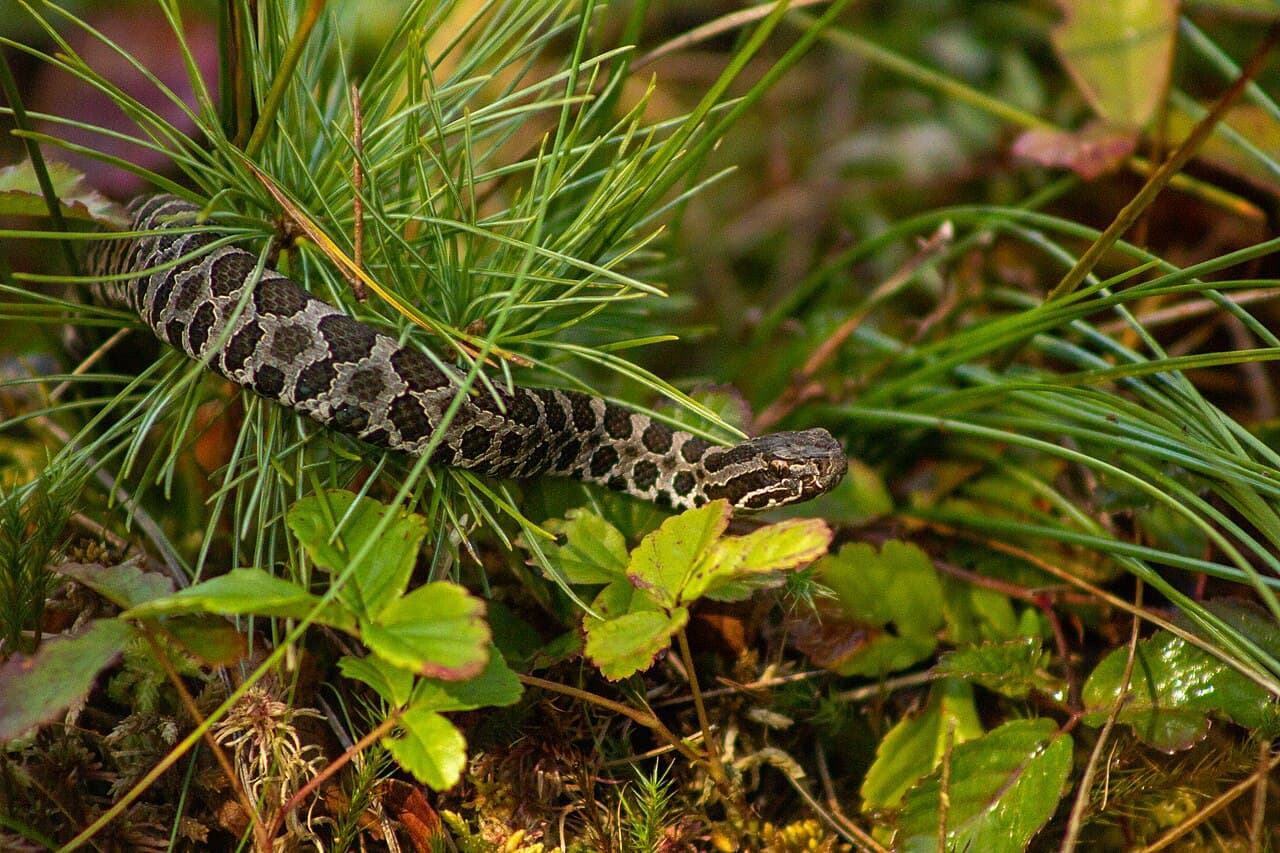
The boy is home and recovering. His case is also a reminder that Ontario's only venomous snake, the eastern massasauga rattlesnake, lives on the northern Bruce Peninsula, north of Chatsworth. Here's what official sources say about the snake, the risk and what to do if you or your child is bitten.
What happened
A 15-month-old Sarnia boy was bitten on the thumb at about 12:45 p.m. on Sunday, Oct. 11, at a family cottage in Cape Chin North, in Northern Bruce Peninsula, CBC London reported on Oct. 16. According to CBC, the boy was walking near a family bonfire when he found the snake and tried to pick it up. A family member photographed it, and it was identified as an eastern massasauga.
He was taken to Lion's Head Hospital, CBC reported. After a test dose to check for an allergic reaction, staff gave him 10 vials of antivenom. The hospital had 14 vials in total.
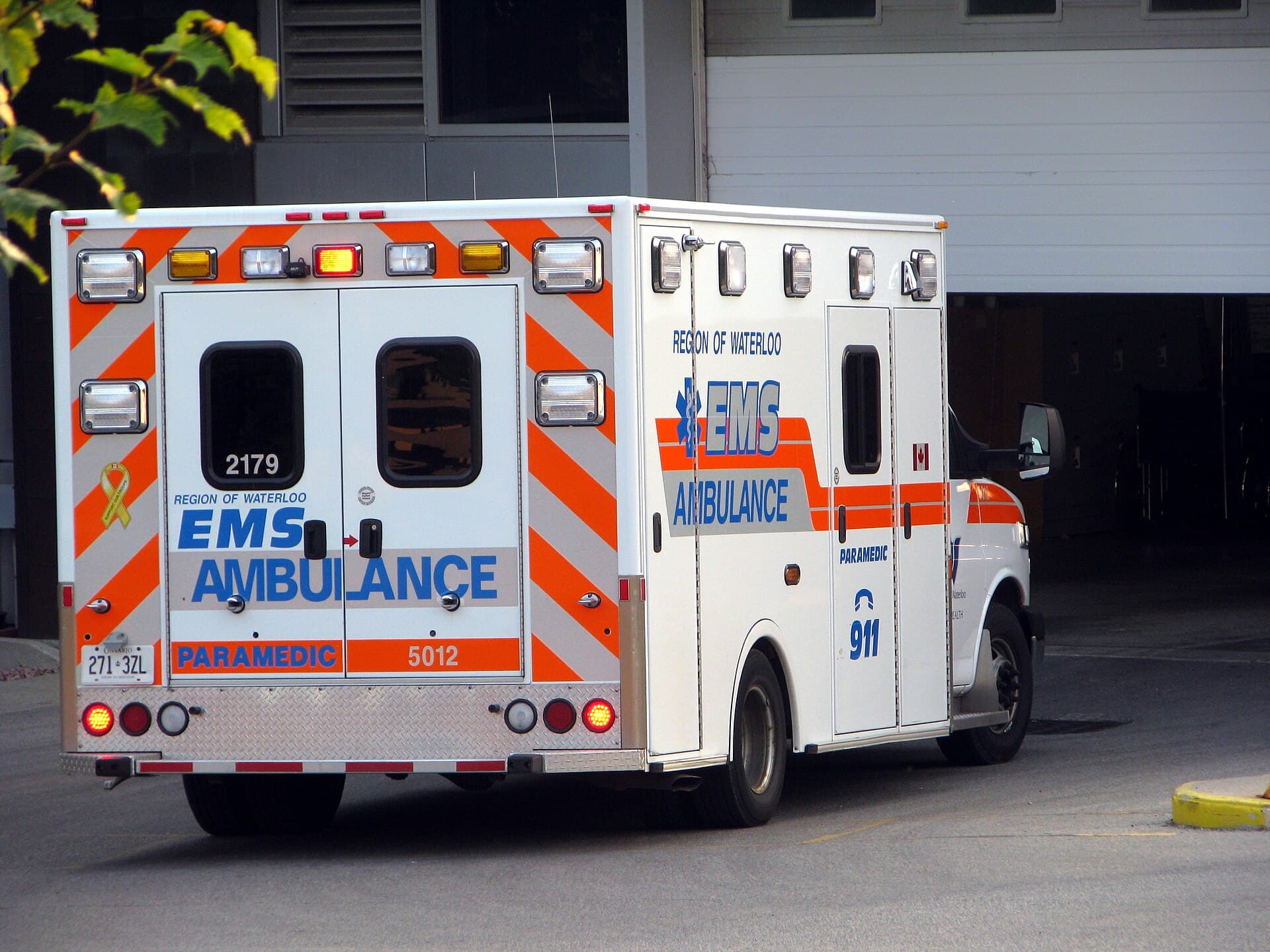
The boy's father told CBC that an Ornge air ambulance transfer was planned but repeatedly delayed and cancelled. A Lion's Head nurse pushed for the boy to get the hospital's remaining four vials and go to London by land ambulance, CBC reported. After a three-hour drive, he was admitted to the pediatric critical care unit at London Health Sciences Centre (LHSC). A pediatric critical care physician there told CBC that LHSC does not keep antivenom in stock. More antivenom was brought to London from the Toronto area under police escort. The boy received 18 doses in total before going home to Sarnia.
CBC did not report a response from Ornge. The Banner has asked Ornge about the transfer and how it handles snakebite patients, and has asked Brightshores which of its hospitals stock antivenom. Neither had responded by publication time.
Where antivenom comes from
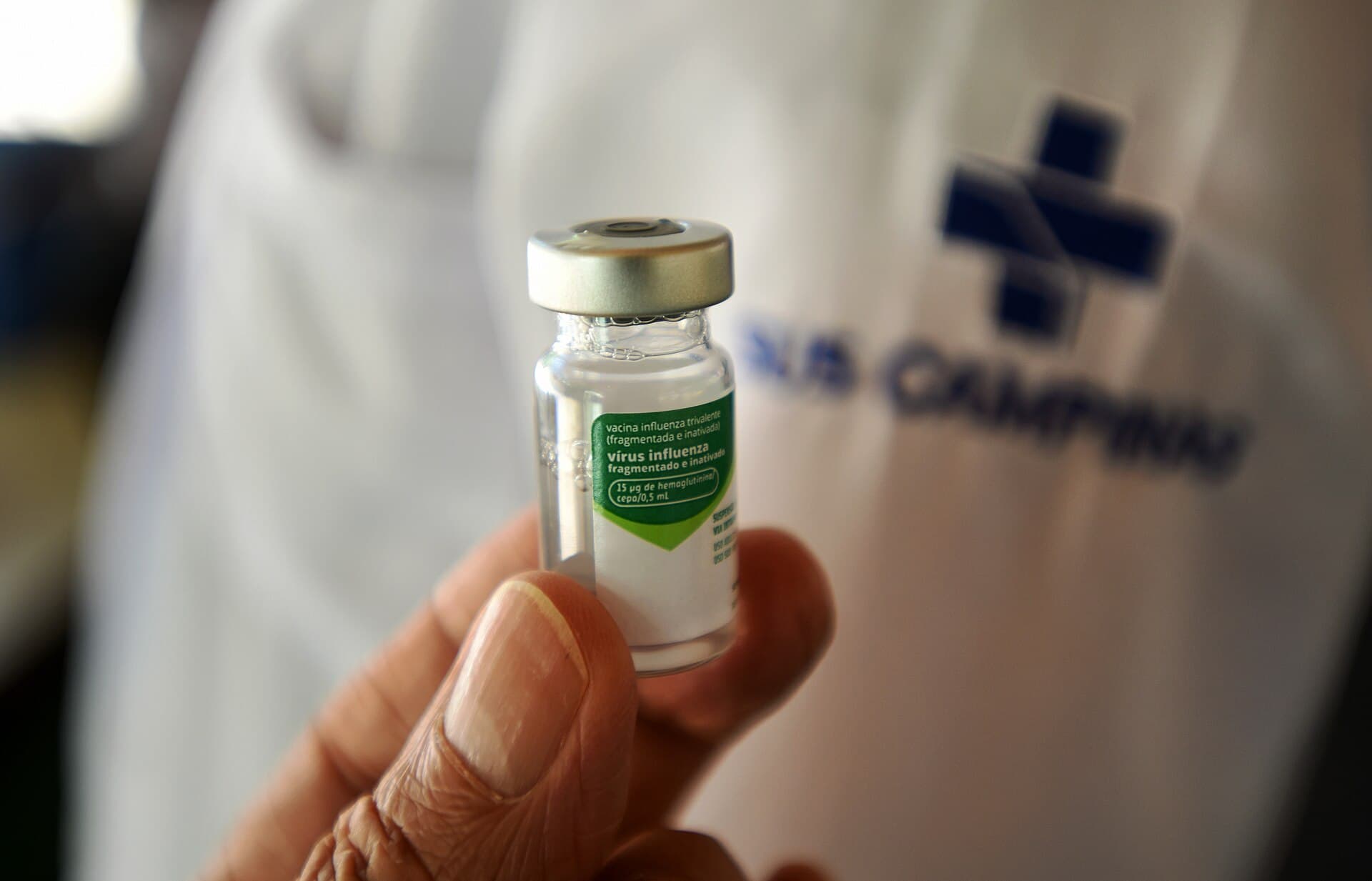
Ontario's antivenom for massasauga bites is managed by the Ontario Antivenom Depot at West Parry Sound Health Centre in Parry Sound. The centre says it became the province's first antivenom depot in 2003. It imports the antivenom from Mexico and distributes it "through a network of hospitals." The centre also advises hospitals on treatment, using a protocol it developed.
The depot does not publish a list of which hospitals keep antivenom on hand. Lion's Head Hospital had 14 vials on Oct. 11, according to CBC.
Lion's Head is one of six hospitals run by Brightshores Health System, formerly Grey Bruce Health Services. The others are in Owen Sound, Wiarton, Markdale, Meaford and Southampton. Tobermory does not have a Brightshores hospital.
The depot's treatment guidelines for hospitals (July 2025) call for a one-vial test dose, then nine more vials, for a moderate or severe bite. Four more vials follow if the patient isn't improving. The guidelines say doses must not be lowered for a patient's age or size, because doctors are treating the venom, not the patient. They also list children as patients who should be treated more aggressively.
How rare serious bites are
The Ontario government says no one has died of a massasauga bite in Ontario in more than 50 years, and only two deaths have ever been reported in the province. The province's government response statement on the species says both deaths were more than 60 years ago and calls the snake a "relatively low risk to public safety."
"In the event of a snakebite, you can have confidence that you will receive proper treatment in Ontario, and a full recovery is the normal outcome," the West Parry Sound Health Centre says.
According to the province, the massasauga is shy and will bite only in self-defence, if it is threatened or harassed. Not every bite injects venom, the Ontario Poison Centre says. But the LHSC physician told CBC there is no way to be sure of that outside a hospital, so every bite should be treated as an emergency.
A protected species
In Canada, the massasauga lives only in Ontario, mainly along the eastern side of Georgian Bay and on the Bruce Peninsula, according to the province.
It is listed as Threatened on the Protected Species in Ontario List under the Species Conservation Act, 2025, which replaced Ontario's Endangered Species Act on March 30, 2026. Under the new act's permit rules, deliberately killing or harming a listed animal, or capturing or taking one from the wild, requires a provincial permit. A federal committee of scientists, COSEWIC, also reassessed the snake as Threatened in May 2025. It says the biggest threats are road deaths, habitat loss and people killing the snakes.
"Remember it is against the law to catch, move or harm these snakes," the Ontario Poison Centre says. The province's species page advises: "never try to catch or kill the snake; it is unnecessary, dangerous and illegal."
To report illegal activity involving wildlife, the province's tip line is 1-877-847-7667.
Still out in October
The province says snakes are most active between May and October. According to COSEWIC, massasaugas in Ontario are active from about mid-May to late October and spend the rest of the year hibernating underground.
If you're bitten
- Call 911. If you think it was a massasauga, go to hospital by ambulance, the Ontario Poison Centre says.
- Stay calm and keep still. Move as little as possible and keep the bitten limb still. This slows the spread of venom.
- Wash the bite with soap and water if you can.
- Take off rings, jewellery or anything tight on the bitten limb. It may swell.
- Call the Ontario Poison Centre at 1-800-268-9017.
Don't:
- use a tourniquet or anything tight
- put ice on the bite
- cut or suck the bite
- try to catch or kill the snake
- take pain medicine containing aspirin or ibuprofen
Sources: Ontario Poison Centre, West Parry Sound Health Centre, Parks Canada
How to avoid a bite
- If you see or hear a rattlesnake, leave it alone and give it room to move away. Don't approach it to take a photo.
- Watch where you step and where you put your hands. Don't reach into places you can't see.
- Wear closed-toe boots or shoes and long pants in long grass or rocky areas. Don't wear sandals on the trail.
- Stay on trails, and use a flashlight at night.
- Keep pets on a leash.
- Have an emergency plan. Know how to reach emergency services and how to get to the nearest hospital.
- Around your property, the province suggests cutting back the cover that draws snakes and the rodents they eat, such as tall grass, brush, wood piles and rock piles.
Sources: West Parry Sound Health Centre, Ontario Poison Centre, Parks Canada, Government of Ontario
The LHSC physician told CBC that massasaugas generally avoid people and usually bite only when they are provoked, attacked or stepped on by accident. He said children can become seriously ill faster than adults, because the venom has a bigger effect on a small body.
"The danger is actually the delay, not the snake," he said.
Your turn: Do you know where your nearest emergency department is when you're up the Peninsula? Tell us about your own close calls with massasaugas, and what you'd like to know about local emergency care. Email news@chatsworthbanner.ca or use the tip form on our site.
Get stories like this in your inbox.
Council, roads, events and the day's top local stories. One short email, free to sign up.