Grey Federation president to candidates: protect farmland, fix cell service, 'visit a farm'
Lindsey Coles says cell service is a safety issue as much as a business one, and wants farmers consulted early on road and bridge projects.
By David Ellis · · 4 min read
The new president of the Grey County Federation of Agriculture has a simple message for people running in the Oct. 26 municipal election: "come out, visit a farm, ask questions and keep that conversation going after the election."
Lindsey Coles, who is listed as president on the federation's website and on the Ontario Federation of Agriculture's page for the Grey federation, answered the Banner's questions in writing on Oct. 16. The federation says it speaks for about 1,600 farm families in Grey County.
"My priority is making sure Grey County farmers have a strong voice in the decisions that affect their farms, their families and their future," Coles wrote. "That includes protecting farmland, pushing for reliable rural cell service and making sure our roads are safe for moving farm equipment."
She also wants to keep building relationships with municipal councils, "especially following the election. Having those conversations early gives us a better chance of addressing concerns before decisions are made."
Cell service: 'a safety issue as much as a business issue'
"For farmers, reliable cell reception is a safety issue as much as a business issue," Coles wrote. "We often work alone, in fields or barns some distance from the house. If someone is hurt or equipment catches fire, being able to call for help and explain where you are matters."
She gave examples: "Think about a farmer dealing with a difficult calving who needs to reach a veterinarian, or someone whose tractor breaks down in a field and needs to contact their family or mechanic. Having to leave the situation and drive somewhere to find a signal adds stress and loses valuable time."
"Rural businesses need dependable service where the work actually happens," she wrote.
Passing farm equipment
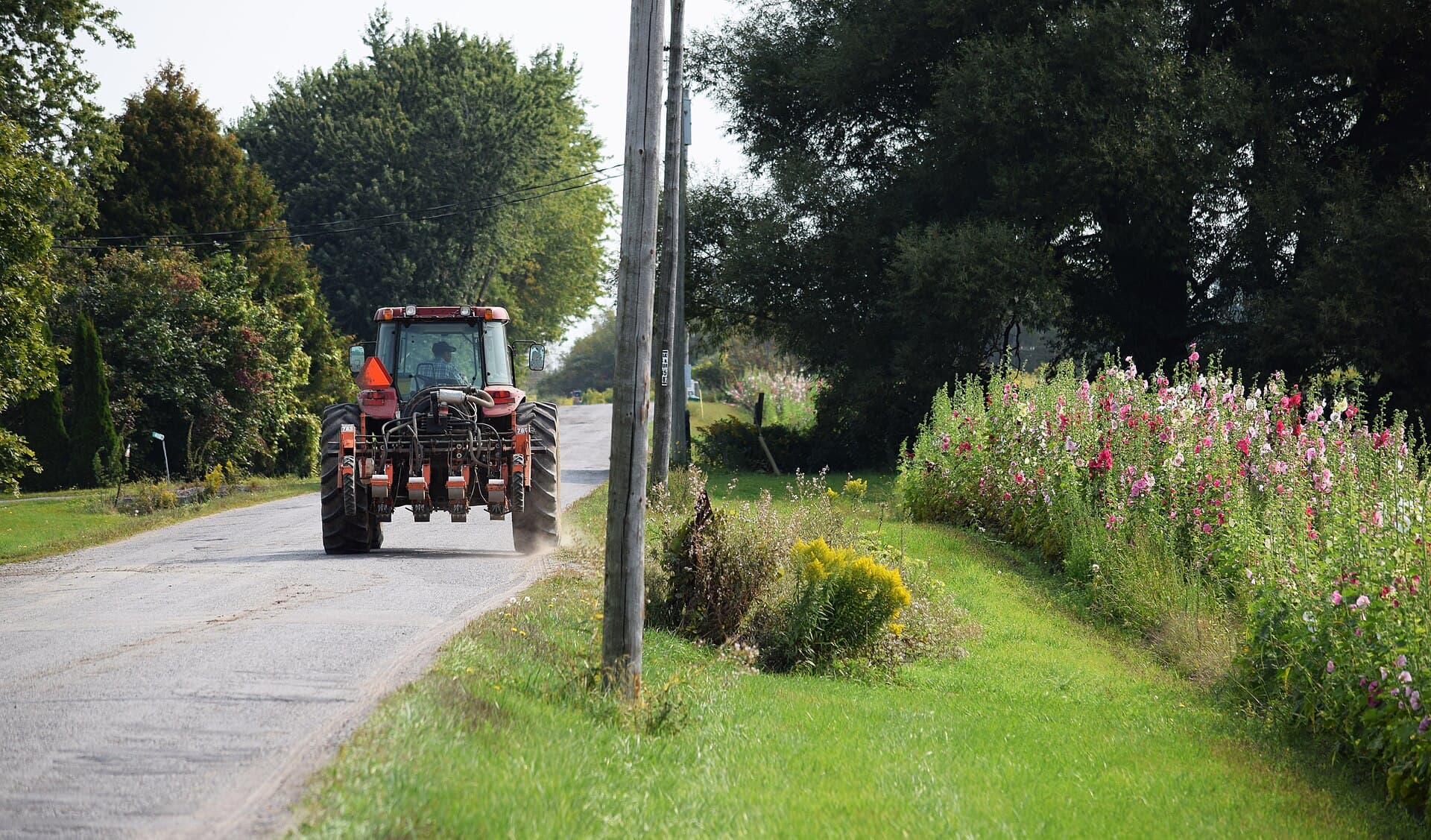
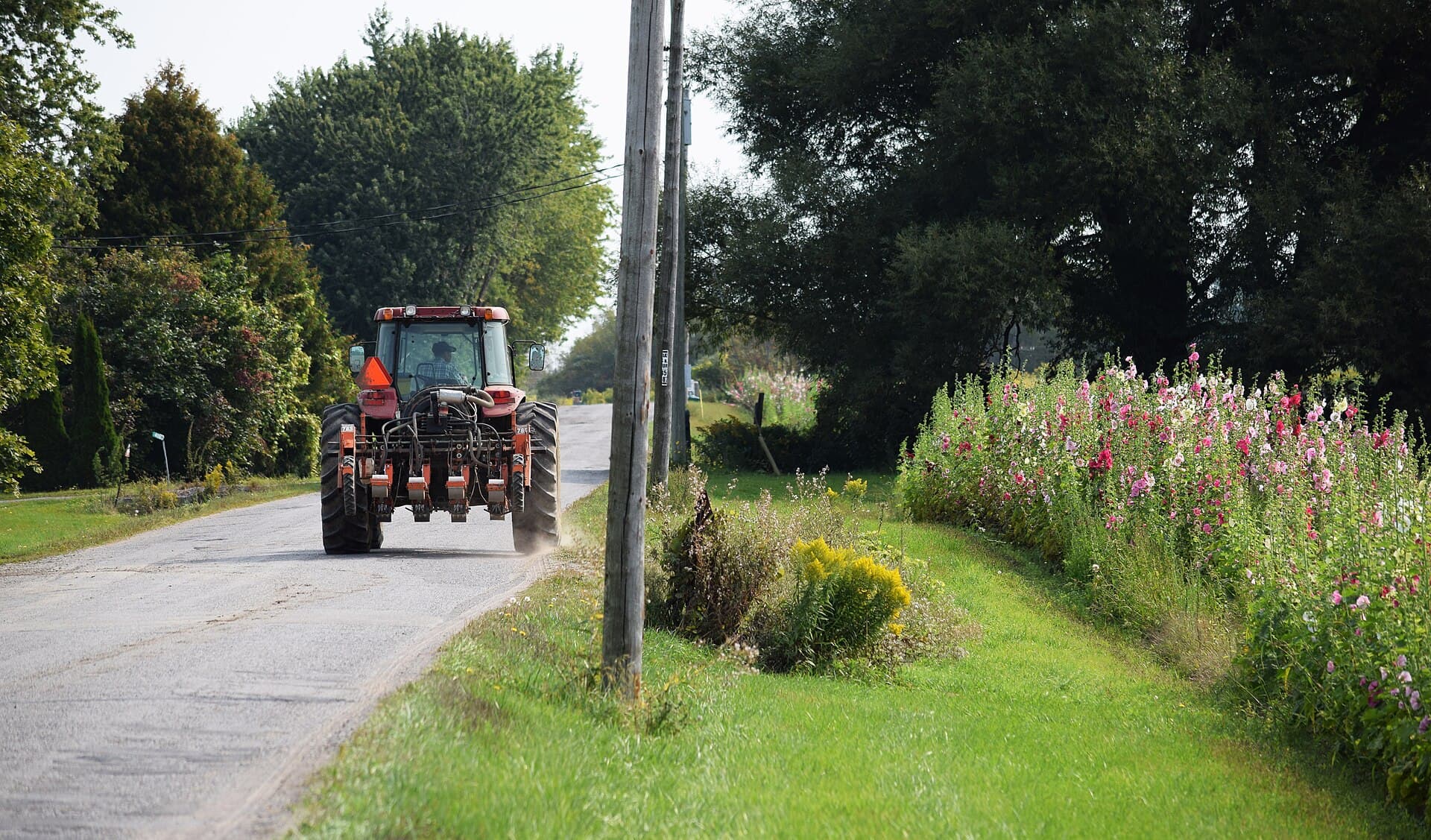
On the roads, Coles said the biggest concern is "the combination of large, slow-moving equipment and drivers who are travelling quickly or are impatient to get past."
"Unsafe passing, particularly near hills, intersections and farm entrances, can put everyone at risk," she wrote. "A tractor turning left into a field needs space, and that can become dangerous very quickly if someone tries to pass."
Narrow roads, soft shoulders and tight bridges leave little room, she wrote. "We would like municipalities to consult farmers when planning road and bridge projects so equipment can move safely between farms and fields."
"Better signs, clear sightlines, suitable shoulders and more public education would all help," she added. "Farmers have responsibilities to keep equipment visible and roadworthy, too. Everyone needs to do their part so we all get home safely."
Rural cell reception and safe travel for farm equipment are the two concerns the federation is taking to the Ontario Federation of Agriculture's annual meeting as resolutions, the federation's office told the Banner on Oct. 15.
What she wants from candidates
"We want candidates to commit to considering agriculture in their decisions throughout their term," Coles wrote. "That means protecting productive farmland, maintaining roads, bridges and drainage, supporting better rural connectivity, and keeping taxes and municipal fees fair for farm businesses."
"Farmers should be involved early when planning changes, development proposals or bylaws could affect their operations," she wrote.
"Housing is important, but so is the land that produces our food. We need careful planning that supports our communities while protecting the ability of farms to operate and grow."
The pressures on farms
"There isn't one challenge, and it looks different depending on what a farm produces," Coles wrote. "The pressure comes from several directions at once: the cost of equipment, repairs, fuel, fertilizer, insurance and financing, along with uncertainty about what farmers will receive for their products."
"Access to affordable farmland is another major concern, especially for young farmers or families trying to expand. Finding and keeping dependable labour adds another challenge, and weather can change even the best plans very quickly."
"What concerns me most is what those pressures mean for the next generation," she wrote. "We have young people who want to farm, but wanting to do it and being able to afford to do it are two different things."
"Behind every farm is a family working hard, making difficult decisions and taking pride in what they produce," she added. "We're proud to farm in Grey County, and we want the next generation to have that same opportunity."
How to vote in Chatsworth
Chatsworth is voting by mail. According to the township, every eligible voter should have received a voting kit by mail around the last week of September, with instructions, a voter declaration form, a ballot, a secrecy envelope and a prepaid return envelope. Completed ballots can be mailed back or dropped off at the Municipal Office, 316837 Highway 6. Voting ends at 8 p.m. on Monday, Oct. 26, and ballots must reach the Municipal Office by then.
The township says anyone who didn't get a kit, or got one with wrong information, needs to update their details on the voters' list to get a replacement. Contact the Clerk's department at the Municipal Office.
Your turn: What should Chatsworth's next council do for farms? Email news@chatsworthbanner.ca or use the tip form on our site.
Get stories like this in your inbox.
Council, roads, events and the week's top local stories. One short email, free to sign up.